
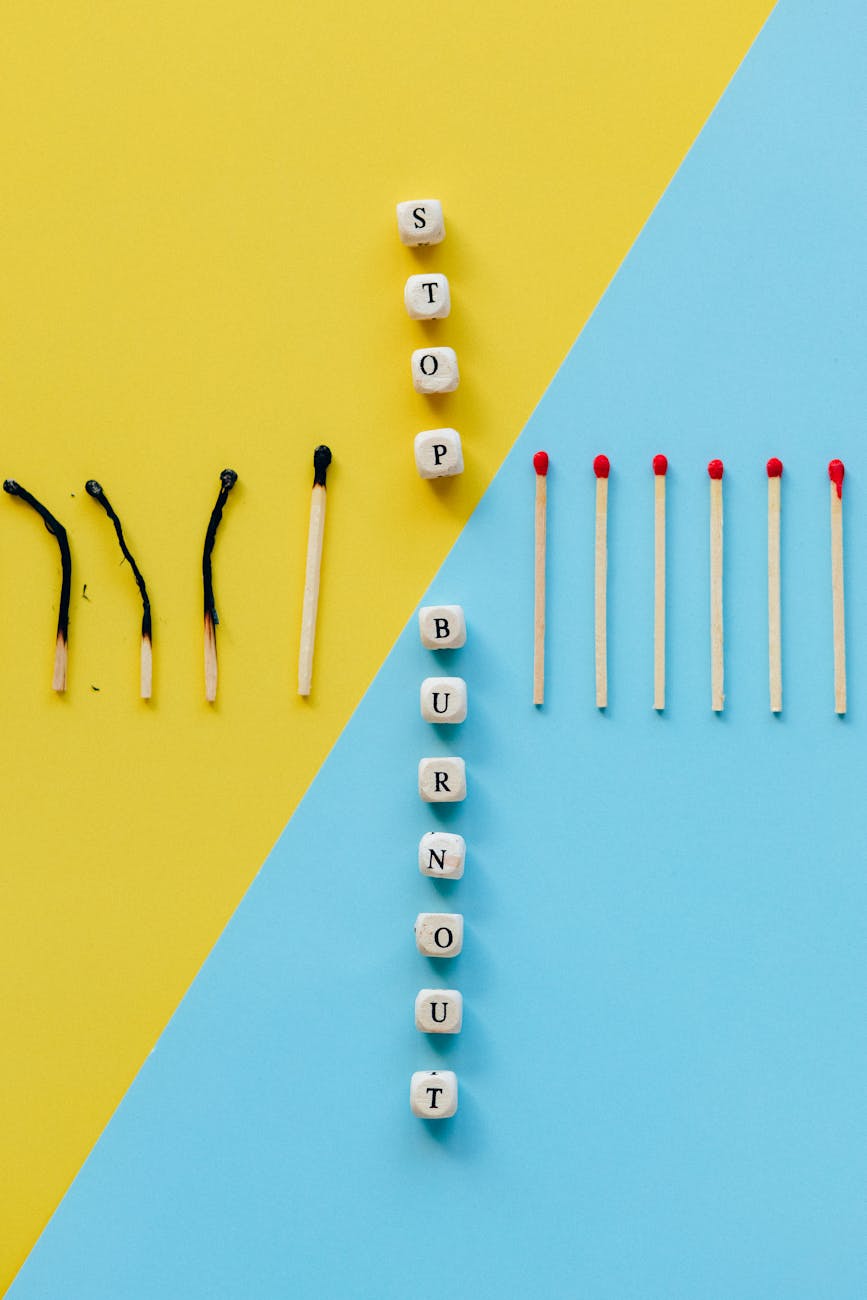
Something significant is quietly unfolding across blogs, newsletters, and creative communities: creators are collectively re-examining the pace and sustainability of creative work. While this movement lacks a single name or organized front, anyone engaged in writer or blogger spaces can sense a turning point. People are stepping back, slowing down, and challenging what sustainable really means in the context of creative efforts. This shift is reshaping the core expectations of the creator economy.
Creators are voicing a growing, collective exhaustion. For neurodivergent and disabled writers, this topic is deeply personal and long overdue.
What Is Actually Happening
The creator economy spent years rewarding volume, consistency, and visibility above everything else. Post more. Show up everywhere. Build your personal brand. Never go quiet. The expectation was that if you were serious about your creative work, you would figure out how to keep the machine running regardless of your circumstances, your health, or your energy.
Many creators once followed this pace and initially thrived, but many also burned out and eventually stopped pretending it was sustainable.
Now, bloggers and newsletter writers are publicly abandoning strict posting schedules and openly discussing their burnout, rather than quietly disappearing.
This trend is sometimes called slow blogging or compared with quiet quitting. Often, it appears as creators explaining why they can’t keep up—without apologizing.
Whatever you call it, this underlying movement reveals a central truth: the pace promoted by the creator economy was never sustainable for most people. This realization is at the heart of the current shift—creators are questioning old standards and seeking new, healthier models for creative work.
Why This Matters More for Our Community
Burnout conversations often focus on those who burn out after years of pushing full capacity, but that’s only part of the story.
For autistic, ADHD, chronically ill, and disabled creators, the unsustainable pace was clear from the start.
When you are managing executive dysfunction alongside a content calendar, when your energy fluctuates because of a chronic condition and not because of poor time management, when sensory overload or a flare-up means that some weeks simply cannot be writing weeks, the standard advice has never applied to you. You were told to be consistent while dealing with a body or nervous system that does not do consistency the way productivity culture demands. You were told to show up every week on schedule while managing things that don’t run on schedule.
The mainstream creator burnout conversation is arriving at conclusions that many disabled and neurodivergent writers reached years ago out of pure necessity. That rigid output expectations are not universal. That rest is not laziness. That creative sustainability means something different depending on who you are and what you are working with.
It is validating to have this wider acknowledgment, yet it is crucial to emphasize that disabled and neurodivergent creators have been forced to rethink sustainability long before these conversations entered the mainstream. Naming this helps clarify why the emerging shift is so important.
Slow Blogging Is Not a New Idea, But It Is Having a Moment
The concept of slow blogging has existed in quiet corners of the internet for years. It grew as a gentle pushback against the pressure to publish constantly and prioritize search traffic over genuine, thoughtful writing. The idea was simple: write when you have something real to say, take the time to say it well, and trust that quality and care matter more than frequency.
For a long time, slow blogging felt countercultural. It ran against the SEO advice that said you needed to post regularly to rank. It contradicted the influencer wisdom that said consistency was everything. It was often treated as an excuse rather than a philosophy.
What has shifted is that more people are now questioning the original premise. The creators who built massive audiences on relentless output are talking openly about what that cost them. Research and personal stories are stacking up around the long-term toll of content treadmill culture. And people are noticing that some of the most meaningful, lasting blogs and newsletters are not the ones that are published most frequently. They are the ones who published with intention.
Slow blogging is not about doing less for its own sake; it is about challenging unsustainable expectations and embracing the value of thoughtful, unhurried writing. This approach supports the main argument: creators need creative rhythms aligned with their real capacity rather than external pressures.
For our community, this framing opens up space. It gives language to an approach many of us have already been practicing by necessity, and it allows us to talk about that approach as a legitimate creative choice rather than a limitation.
Burnout in Public and What It Is Actually Telling Us
One of the more significant shifts in the creator space recently is how openly people are discussing burnout while it is happening rather than in retrospect. Writers and bloggers are publishing posts mid-slump, explaining that they are not okay, that they cannot meet their own expectations right now, and that they are choosing to be honest about that rather than perform wellness they do not have.
This matters because the old pattern was to disappear quietly, then reappear later with a polished explanation of where you had been and what you had learned. Burnout was treated as a temporary failure to be overcome and then reframed as a growth story.
Burnout in public looks different. It is messier and more honest. It does not wait for a resolution before sharing. And in doing so, it starts to chip away at the idea that creators are supposed to be constantly productive and energetic for their audiences.
For disabled and neurodivergent writers, this shift in honesty is genuinely meaningful. When the people around you are allowed to be visibly tired and struggling without it being treated as a reason to distrust their work or unsubscribe from their presence, it becomes slightly safer to be honest about your own experience. It normalizes the reality that creative capacity is not static, that life affects work, and that this is not a character flaw.
It also raises a critical question: If burnout is so common and visible, what does this reveal about the fundamental structure of the creator economy? This invites us to reconsider the original assumptions and reinforces the necessity of the argument for change.
What This Means in Practice
If you are a neurodivergent or disabled creative building a blog or creative business, the quiet shift happening in creator spaces carries practical implications worth considering.
The pressure to be consistent at all costs is losing its authority. This is genuinely good news. Consistency has value, but it was never the whole story. A blog that publishes thoughtful, useful articles on a flexible schedule can absolutely build a loyal, engaged readership. An irregular posting pattern does not automatically mean an unsuccessful or unprofessional blog. Quality, honesty, and genuine usefulness are doing a lot of work that frequency alone cannot do.
Permission to write honestly is expanding. The more creators talk openly about their actual experiences, including struggles, slowdowns, and the real conditions under which they do their work, the more that kind of honesty becomes part of what readers value. You do not have to hide the fact that your creative process looks different from the standard productivity narrative. That honesty can be part of what makes your voice distinct and trustworthy.
Sustainable creative practice is worth building intentionally. What sustainability looks like varies significantly depending on your specific circumstances, and there is no universal blueprint. But the core of it is designing a creative practice around your actual life and capacity rather than trying to force your actual life and capacity into someone else’s template.
If you are working on understanding what sustainable blogging could look like for you specifically, it is worth exploring what gentle, consistent content creation can be when built around your reality rather than against it.
The Conversations Worth Having
At its core, this moment is calling for greater honesty about what creative work truly demands, what makes it possible, and for whom it was designed. These questions underscore the main argument: prevailing models are overdue for reconsideration.
The answer to that last question is increasingly clear. The high-output, always-on creator model was built for people without significant access barriers, without variable health, and without the kind of nervous system variation that comes with being neurodivergent. It was built for a narrow range of bodies and circumstances, then presented as the universal standard.
The conversations building around slow blogging, creator burnout, and stepping back from unsustainable output are starting to crack that assumption open. They are not radical yet. They are still largely happening within a system that rewards volume and visibility. But they are creating more room for different kinds of creative practices to be taken seriously.
For our community, claiming this emerging space is essential. The larger cultural shift now enables us to build creative practices that actually work—ones that embrace the diversity of bodies, minds, and circumstances—rather than simply conform to outdated norms. This is the central argument driving these conversations.
Creative work is worth doing. It is also worth protecting. The way you build your practice matters as much as the work itself, and building it around your actual capacity is not a compromise. It is the whole point.


Leave a Reply