
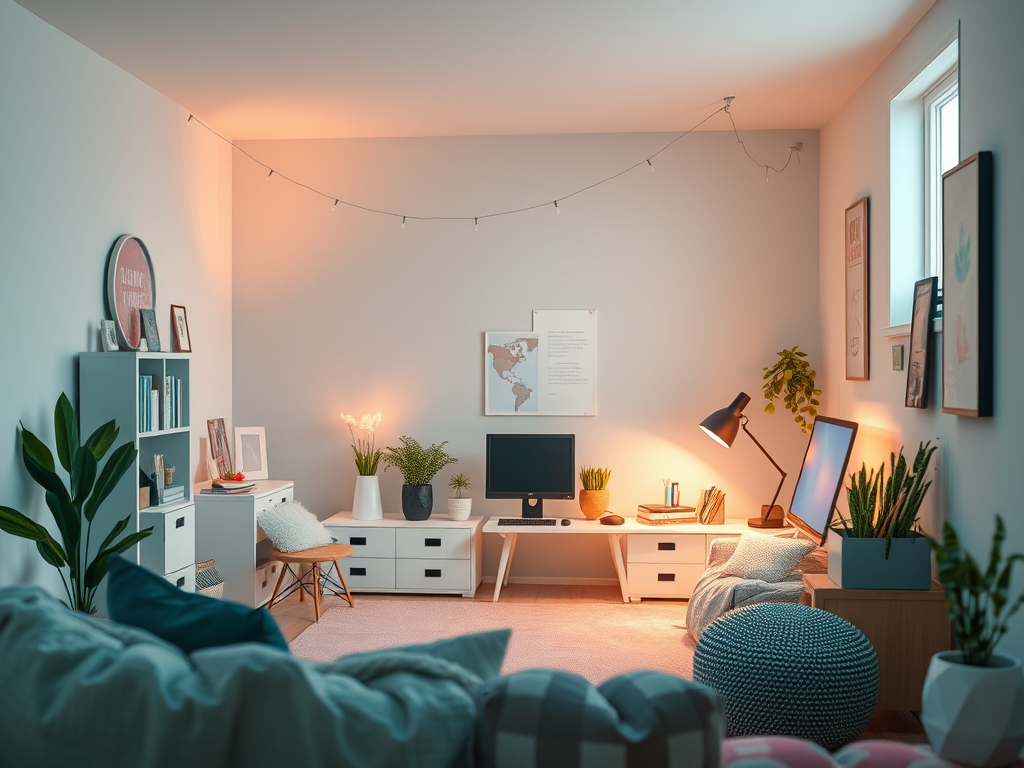
Creating Your Cozy Corner: How Neurodivergent Creators Shape Online Comfort and Embrace Creative Accessibility for Better Mental Health
Pull up a chair, friend — let’s talk about making the internet feel like a place you actually want to hang out. For neurodivergent creators, that’s more than just picking a cute background and hoping for the best. It’s about crafting an online home where your brain feels safe, your creativity flows freely, and accessibility isn’t an afterthought — it’s baked into the foundation.
Your Digital Space as a Second Skin
Your online presence should fit you like your comfiest sweater — no scratchy seams, no tags poking your neck.
- Choose colours and fonts that make your eyes and nervous system sigh in relief.
- Personal touches matter: artwork you love, phrases that make you smile, layouts that feel intuitive.
Think of it as interior design, but for pixels — and you’re the only one whose approval matters.
Design That Calms, Not Clutters
Neurodivergent brains often work best in spaces that are clear, consistent, and kind to sensory processing.
- Keep navigation simple. If someone can find your best work in three clicks or less, you’ve nailed it.
- Avoid visual noise — no one needs a flashing banner while they’re reading about your latest project.
- Consistency in headers, colours, and style feels like returning to your favourite coffee shop — you already know where the mugs are.
Creative Accessibility: Not Just a Checkbox
Accessibility isn’t “nice to have.” It’s the bridge that lets everyone walk into your space.
- Alt text for images, captions for videos, and transcripts for audio aren’t extras — they’re essentials.
- Offering multiple content formats means more people can enjoy your work in the way that works for them.
- Choose platforms that let you tweak and customise so your digital home fits you instead of the other way around.
Mental Health and Digital Comfort
A well-designed online space doesn’t just look good — it feels good. When your corner of the internet supports your mental health, you can show up more authentically.
Surround yourself (virtually) with people who understand and respect neurodivergent experiences.
Let your digital space be a place where you can exhale — a soft landing spot in the chaos of the feed.
Finding Your People
Community can turn a solitary creative practice into a thriving ecosystem.
- Seek out spaces where neurodivergent voices are celebrated, not tokenised.
- Share resources, swap stories, and yes, post the memes that only your crew will understand.
- Collaboration and connection are just as valuable as page views.
The Takeaway
Designing a digital haven is about more than aesthetics — it’s about how you feel when you log in. When your online world reflects your needs and values, you’re not just existing in the algorithm — you’re thriving in spite of it. So light the virtual candle, fluff the metaphorical pillows, and make your corner of the internet unmistakably yours.


5 responses to “Creating Safe Digital Spaces for Neurodivergent Creators”
[…] decided to spritz a little perfume. Nothing major. Just a touch of scent to say, “Yes, I work from home, but I still have […]
[…] Safe venting zones → Sometimes you just need to yell into the void about deadlines—and have someone nod back in understanding. […]
[…] When you let yourself live in enough, you begin to notice the beauty in what’s already here — the draft that exists, the sentence that sings, the tiny rituals that carry you forward. Creativity doesn’t thrive in scarcity. It thrives in sufficiency. […]
[…] internet can feel like a pressure cooker. If you’re a digital creator, you know what I mean—deadlines looming, feeds buzzing, the unspoken demand to stay “on” all […]
[…] isn’t just a concept; it’s my safe place and my liberation, inspiring you to create a space that offers you safety and freedom, […]