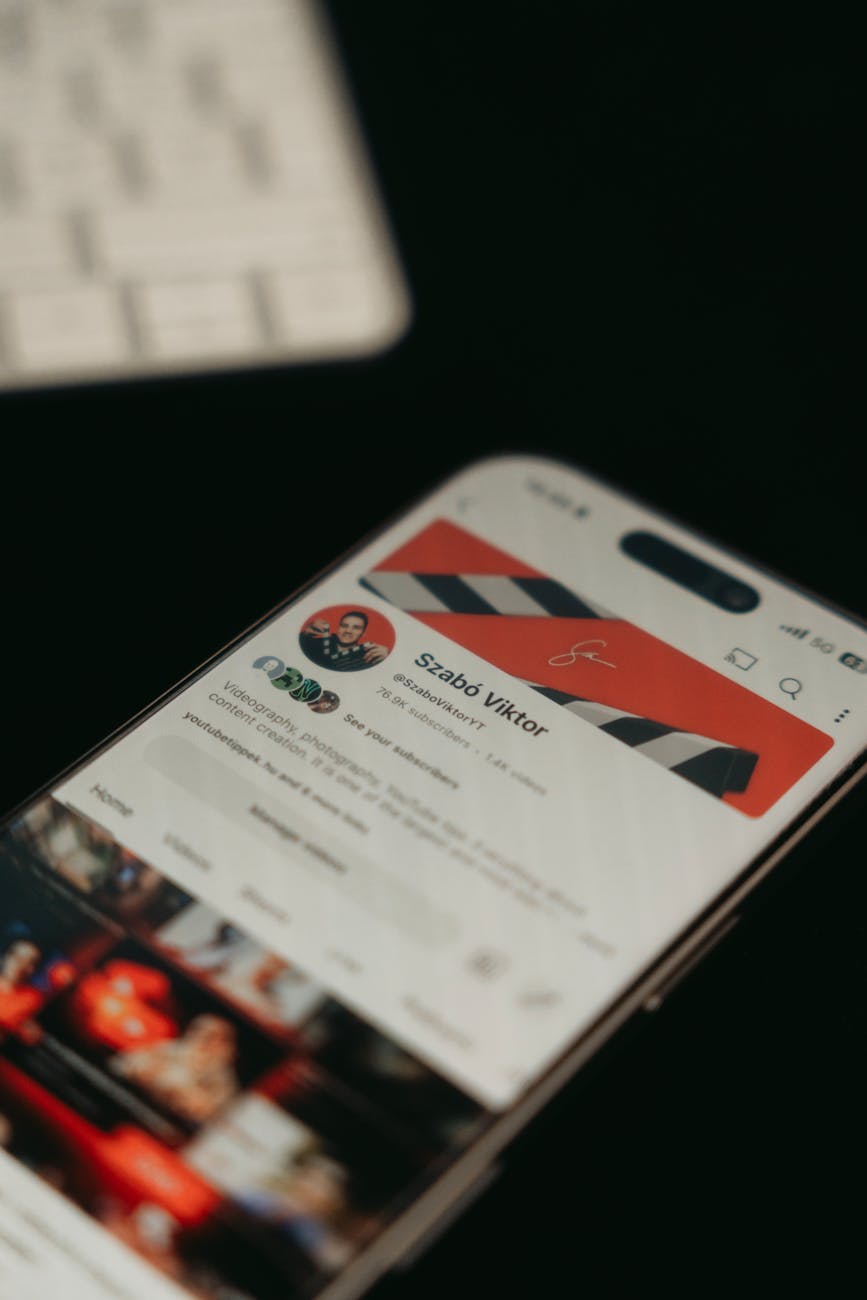
There’s a unique exhaustion in building something carefully and sustainably over time, only to have the ground shift beneath you unexpectedly.
If you’ve been creating content for any length of time, you know exactly what I’m talking about. A platform quietly changes how it distributes content. An algorithm update tanks your reach overnight. A monetization policy shift, and suddenly, the income stream you’d carefully built around your actual capacity is gone or dramatically reduced. And then, reliably, someone in a creator forum or a comment section says the thing that makes it all worse:
You just have to adapt. You have to pivot. You have to diversify.
As though pivoting were free. As though adapting didn’t cost something.
I want to clearly address what platform decay means: it’s not just a business inconvenience, but a compounding harm for creators with limited energy, chronic illness, disability, or neurodivergence. The standard creator advice usually assumes a baseline of resources and capacity that many of us simply don’t have. Naming this gap directly is essential to understanding the real impact.
What Platform Decay Actually Is
Platform decay isn’t a single dramatic event. It’s gradual, and that’s part of what makes it so disorienting.
It usually unfolds in layers. First, reach drops quietly. Your content starts performing worse without any clear reason. Engagement falls. Then comes monetization restructuring, where payout thresholds change, ad rates shift, or previously available income features get locked behind new requirements. Eventually, the platform may introduce pay-to-play mechanics, where organic reach is effectively replaced by paid promotion as the default path to visibility.
This pattern has played out across nearly every major content platform in some form. Blogging platforms, social media, video hosting, and newsletter services. The cycle is consistent: platforms grow by promising creators access to audiences, extract value from the content and engagement those creators generate, and then gradually shift the terms in ways that favor their own revenue model over the sustainability of their creator ecosystem.
This isn’t a conspiracy. It’s just business. But understanding it as a structural pattern rather than a personal failure matters enormously, especially when you’re a creator whose resources are already stretched.
The Research Group Platformer and media critics like Cory Doctorow, who coined the term “enshittification” to describe this exact process, have documented it in detail. The short version: platforms attract users and creators with good conditions, then degrade those conditions incrementally once switching costs are high enough. By the time it’s noticeably bad, you’re already embedded.
The Hidden Cost of Constant Adaptation
Here’s what the “just pivot” advice misses: adaptation has a real cost, and that cost is not evenly distributed.
A creator with a full-time team, savings, and good health can survive a pivot. But for those managing chronic illness, disabilities affecting executive function, or tight energy budgets, the same pivot can be destabilizing.
Learning a new platform isn’t just learning a new platform. It’s the cognitive load of figuring out new systems, formats, audience expectations, and technical requirements. It’s the sensory adjustment of navigating unfamiliar interfaces. It’s the social labor of starting visibility from scratch in a new space. It’s the financial risk of losing income during a transition period when you may not have reserves to fall back on.
This challenge recurs with each platform decay, often in overlapping waves throughout a creator’s career.
Disabled and chronically ill creators are especially affected. Many were drawn to online content creation for the flexibility and accessibility it offered—benefits missing in traditional jobs. Platform decay harms income and undermines the work’s accessibility.
The Disabled Writers database and advocacy spaces like it exist partly because these structural barriers in creative industries are real and documented, not imagined or exaggerated.
Why “Just Build Your Email List” Is Incomplete Advice
The usual response to platform dependency is to build owned channels: your email list, website, or blog—content you control on infrastructure you own.
I believe in this advice. It’s foundational to how I teach content creation at Dreamspace Studio, and it’s genuinely the most stable long-term strategy available. Building a sustainable blog starts with owning your foundation, and that’s worth doing.
But honesty about this advice is needed; it’s often presented as easy and obvious, ignoring its real costs.
Email lists need maintenance, hosting costs money, and SEO takes time to yield results. Most creators still rely on platforms for visibility while building owned channels. Be realistic about the timeline and work required.
For a creator with limited energy, building an email list while also maintaining a blog, managing some platform presence, and managing health and life is not a simple task. It requires ruthless prioritization and, often, accepting slower growth than you’d prefer.
Slow growth is not failure. But it’s important to acknowledge that the usual advice to ‘diversify’ and ‘own your audience,’ while sound, does not fully address the reality: building toward this is often much harder for creators with limited capacity, and the path is slower and more complex than most advice suggests.
What This Means for How We Should Think About Our Work
If platform decay is structural and ongoing, the real question is how to build a creative practice that can survive these shifts—especially for creators with limited energy or resources—without running yourself into the ground every time conditions change.
A few things have become clearer to me over time, both from my own experience and from watching other creators navigate this.
The platform is never your audience. Your followers on any given platform are that platform’s users first. You are borrowing access to them. This isn’t doom and gloom; it’s just the truth, and it changes how you think about your relationship to each platform. Use them as tools for discovery and connection. Don’t build your entire sense of creative identity or financial security around metrics that a platform controls.
Consistency on one owned channel beats fragmented presence everywhere. Chasing every new platform or format is exhausting and rarely sustainable. Doing one thing well, something you own and control, compounds over time. A useful blog post builds traffic and trust for years. An Instagram post rarely lasts the week.
Your creative health is a legitimate business consideration. This sounds simple, but it runs counter to a lot of creator culture, which treats exhaustion as a badge of seriousness. If a platform is costing you more than it’s returning, in energy, in health, in mental load, that’s a real calculation worth making. You are allowed to step back from platforms that are no longer serving you, even if they once did.
Sustainable beats scalable. The creator economy is full of advice about scaling, growing, and expanding. But for many of us, the more meaningful question is whether we can sustain this work over time without it destroying our health or eroding the quality of what we’re making. Sustainable creative practice, at whatever pace and scale is actually workable for your life, is worth far more than rapid growth built on unstable ground.
Where This Leaves Us
I don’t have a tidy resolution to offer here, and I’d be skeptical of anyone who did.
Platform decay is real, ongoing, and especially harmful to creators with chronic illness, disability, or limited energy. It’s a structural feature of content platforms, not a temporary problem, and mainstream creator advice rarely addresses its amplified impact on those with fewer resources.
What I do believe is that this reality makes foundational, sustainable, owned content creation more important than ever, not as a silver bullet, but as the most stable ground available. Your blog, your email list, your body of work, these things belong to you in a way that your follower count never will.
The goal isn’t to be immune to change—nothing is. The goal is to build something stable enough that, when the ground inevitably shifts again, you have a solid foundation that takes your real capacity into account.
That’s worth building toward, carefully and at whatever pace your life actually allows.
If you’re figuring out where to start, or how to build a creative practice that accounts for your actual capacity, that’s exactly what we work on here at Dreamspace Studio. You don’t have to have it all figured out before you begin.