
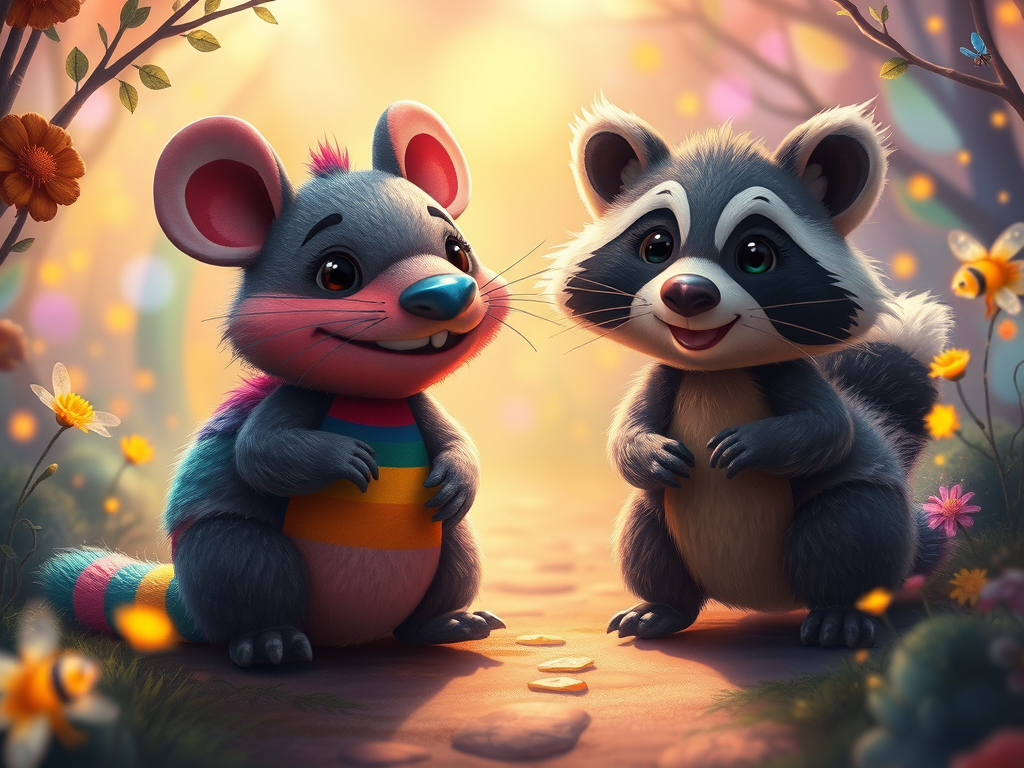
If you’ve hung around Dreamspace for any length of time, you’ve met our mascots: Felipe the rainbow armadillo, Thimble the raccoon (with her trail of pawprints and endless curiosity), and—if you look closely enough—maybe even a couple of friendly fireflies, dragonflies, or bees darting through the margins. Maybe you’ve wondered: why do we have these whimsical little guides at all? What’s with the talking animals? Are we building a brand, or running Mr. Rogers’ Land of Make-Believe for grownups?
The answer is: yes—and more.
Because here’s the truth: friendly mascots aren’t just for show. They’re part of the soul of Dreamspace. They’re a key to accessibility, community, and the kind of learning that feels safe, not scary.
Why Mascots Matter (Especially Here)
Let’s get real: the internet is full of jargon, “thought leaders,” and experts who love to talk at you instead of with you. Sometimes it feels like you need a secret password just to get in the door. That’s even harder if you’re neurodivergent, disabled, chronically ill, new to the online world, or just someone who’s tired of being talked down to.
That’s where mascots like Felipe and Thimble come in. They break the ice. They make things playful. They turn intimidating topics—like SEO, analytics, or “personal branding”—into a conversation, not a lecture. You see an armadillo in a sparkly hat teaching you about KPIs, and suddenly, you’re not worried about getting it wrong. You’re smiling. You’re curious. You’re in.
Mascots give us permission to play.
And play, believe it or not, is at the heart of true accessibility.
Accessibility Is About Feeling Safe
Learning anything new is vulnerable. So much of accessibility is about lowering those barriers—making it okay to ask questions, okay to try and stumble, okay not to know. Mascots are a gentle invitation: “Come sit with us. Let’s figure it out together. There are no dumb questions here. If you get lost, Felipe will show you the way.”
When we put a friendly guide at the door—especially one who looks like they’re just as delighted (and sometimes confused) as you are—it tells people, you’re welcome here. No prerequisites. No shame. Just curiosity, community, and maybe a taco or two.
What Felipe, Thimble, and Friends Really Teach Us
- There Are No Dumb Questions
If an armadillo can ask about SEO, so can you.
If a raccoon can get lost in the forums and need help finding her way out, so can you.
We model curiosity, not perfection. - Learning Should Be Playful, Not Punitive
Complex topics don’t have to be dry or intimidating. Let’s break it down, laugh about it, and learn together. - Everyone Belongs (No Gatekeeping)
Mascots don’t care if you have a PhD in computer science or if you’re just starting your first blog. If you’re here, you belong. - Kindness Is Key
Friendly mascots remind us to be gentle with ourselves and each other. If you mess up, you don’t get a pop quiz—you get a story, a meme, or a sparkly armadillo dancing in the margins.
Why We’ll Never Outgrow Mascots
Some people might say mascots are childish, or that adults don’t need little animal friends to guide them. I disagree. In Dreamspace, growing old is inevitable, but growing up is optional. Mascots keep the doors open, the tone kind, and the learning accessible to all. They remind us that everyone is still figuring it out, and that’s not just okay—it’s the whole point.
So next time you see Felipe popping up in a blog post, or Thimble leaving behind a trail of pawprints in the comments, know that you’re not just seeing a mascot. You’re seeing a promise: no gatekeeping, no jargon walls, no cold shoulders. Just an open hand, a spark of curiosity, and a reminder that you’re always welcome here.

Dreamspace Studio is proud to join #WritersAgainstHunger for Feeding America!
Every word we write this month helps put meals on tables across the country.
Want to help? Donate here.
Thank you for being a Lantern Carrier. 🕯️🥣


2 responses to “Dreamspace Mascots: Why We Need Friendly Guides (and What They Teach Us About Accessibility)”
[…] Like Loading… Keep reading […]
[…] resources accessible by considering different needs and reading […]