Creating Safe Digital Spaces for Neurodivergent Creators

Pull up a chair, friend — let’s talk about making the internet feel like a place you actually want to hang out. For neurodivergent creators, that’s more than just picking a cute background and hoping for the best. It’s about crafting an online home where your brain feels safe, your creativity flows freely, and accessibility isn’t an afterthought — it’s baked into the foundation.


Your Digital Space as a Second Skin

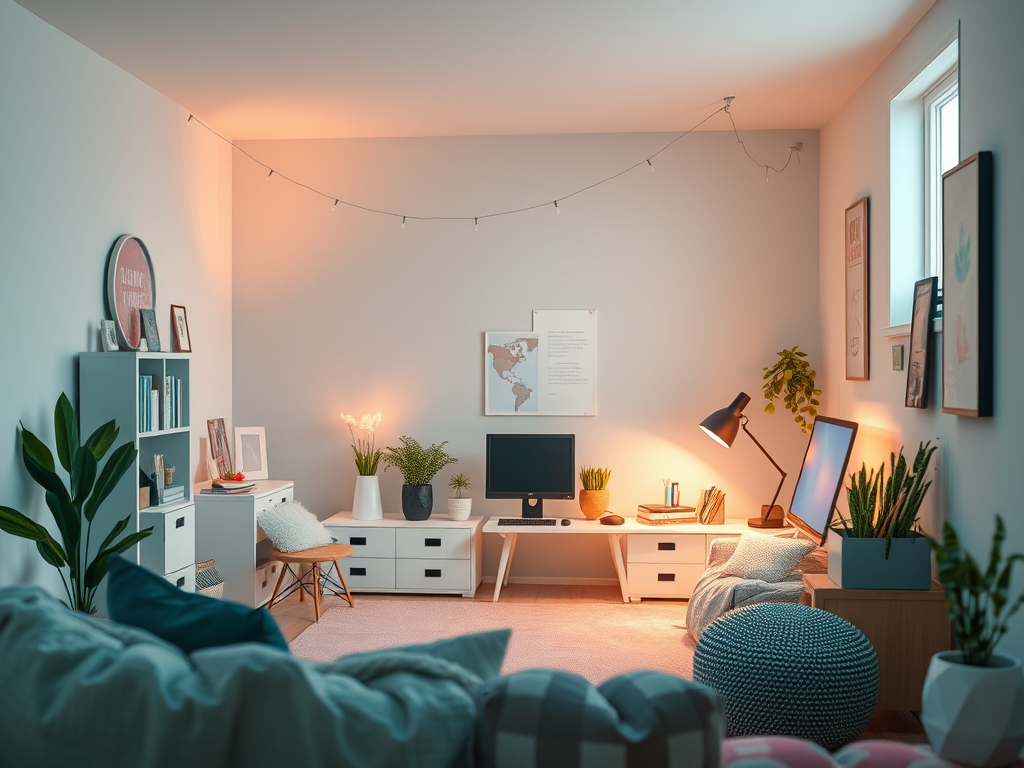
Your online presence should fit you like your comfiest sweater — no scratchy seams, no tags poking your neck.

  • Choose colours and fonts that make your eyes and nervous system sigh in relief.
  • Personal touches matter: artwork you love, phrases that make you smile, layouts that feel intuitive.

Think of it as interior design, but for pixels — and you’re the only one whose approval matters.


Design That Calms, Not Clutters

Neurodivergent brains often work best in spaces that are clear, consistent, and kind to sensory processing.

  • Keep navigation simple. If someone can find your best work in three clicks or less, you’ve nailed it.
  • Avoid visual noise — no one needs a flashing banner while they’re reading about your latest project.
  • Consistency in headers, colours, and style feels like returning to your favourite coffee shop — you already know where the mugs are.

Creative Accessibility: Not Just a Checkbox

Accessibility isn’t “nice to have.” It’s the bridge that lets everyone walk into your space.

  • Alt text for images, captions for videos, and transcripts for audio aren’t extras — they’re essentials.
  • Offering multiple content formats means more people can enjoy your work in the way that works for them.
  • Choose platforms that let you tweak and customise so your digital home fits you instead of the other way around.

Mental Health and Digital Comfort

A well-designed online space doesn’t just look good — it feels good. When your corner of the internet supports your mental health, you can show up more authentically.

Surround yourself (virtually) with people who understand and respect neurodivergent experiences.

Let your digital space be a place where you can exhale — a soft landing spot in the chaos of the feed.


Finding Your People

Community can turn a solitary creative practice into a thriving ecosystem.

  • Seek out spaces where neurodivergent voices are celebrated, not tokenised.
  • Share resources, swap stories, and yes, post the memes that only your crew will understand.
  • Collaboration and connection are just as valuable as page views.

The Takeaway

Designing a digital haven is about more than aesthetics — it’s about how you feel when you log in. When your online world reflects your needs and values, you’re not just existing in the algorithm — you’re thriving in spite of it. So light the virtual candle, fluff the metaphorical pillows, and make your corner of the internet unmistakably yours.


Discover more from Dreamspace Studio

Subscribe to get the latest posts sent to your email.


Enjoy the Dreamspace? Want to talk about it?
There’s plenty more to explore—check out our Discord.

Want to support indie magic? Become a Lantern Carrier for $5/month on Ko-fi to unlock early book chapters, printables, and exclusive peeks behind the scenes.
Support Dreamspace on Ko-fi

Interested in being a guest blogger?
Share your story with Dreamspace

Did you know? The Dreamspace Shop is open—and full of $1 printables, microguides, and evergreen articles to spark your creative journey! Pay what you want, download instantly, and support the Dreamspace. Visit the Shop here.

🌟 New items are added all the time! If you love what we do, this is the perfect way to treat yourself and help us keep the lights on.

The Slow Creator Economy: Is Burnout Reshaping Publishing?

Creator burnout in digital publishing is driving a shift away…

Keep reading

Autistic Burnout vs. Freelance Burnout: How to Tell the Difference (and What Helps)

Autistic burnout vs freelance burnout can share symptoms like exhaustion,…

Keep reading

Voices of Change: A Call for Stories

In March’s Dreamspace Dispatch, Niki invites individuals with disabilities, ADHD,…

Keep reading

5 responses to “Creating Safe Digital Spaces for Neurodivergent Creators”

  1. […] Safe venting zones → Sometimes you just need to yell into the void about deadlines—and have someone nod back in understanding. […]

  2. […] When you let yourself live in enough, you begin to notice the beauty in what’s already here — the draft that exists, the sentence that sings, the tiny rituals that carry you forward. Creativity doesn’t thrive in scarcity. It thrives in sufficiency. […]

  3. […] internet can feel like a pressure cooker. If you’re a digital creator, you know what I mean—deadlines looming, feeds buzzing, the unspoken demand to stay “on” all […]

  4. […] isn’t just a concept; it’s my safe place and my liberation, inspiring you to create a space that offers you safety and freedom, […]

Leave a Reply

This site uses Akismet to reduce spam. Learn how your comment data is processed.

Hello, I’m Nicole Myers

A woman wearing a white blouse with blue embroidery, with her hair in two braids, smiling in a softly lit indoor setting. There are bookshelves and a lamp in the background.

It’s nice to meet you. This site is my corner of the internet: part portfolio, part creative hub, part open notebook. Here, you’ll find my published work, current projects, micro-guides, printables, and even articles-to-go. There is also an ever-growing archive of sparks — those small but powerful pieces that light the way.

Let’s build something beautiful.


✨ Want Your Own Custom Article?
Love something you’ve read here?
If you’d like a personalized version of any of my blog posts — or a fresh piece written just for your audience — reach out anytime.

📩 Email me: TheSparkkeeper@dreamspacestudio.net
or
🌿 Visit The Apothecary for articles-to-go

Proud member of Freelancers Union

Recent posts

The Slow Creator Economy: Is Burnout Reshaping Publishing?

Creator burnout in digital publishing is driving a shift away from constant output and toward a “slow creator economy” built on sustainable cadence, deeper editorial…

Keep reading

Autistic Burnout vs. Freelance Burnout: How to Tell the Difference (and What Helps)

Autistic burnout vs freelance burnout can share symptoms like exhaustion, brain fog, reduced output, irritability, and shutdown, but the causes and recovery strategies often differ.…

Keep reading

Voices of Change: A Call for Stories

In March’s Dreamspace Dispatch, Niki invites individuals with disabilities, ADHD, and chronic illnesses to share their authentic blogging journeys. Highlighting the challenges faced in traditional…

Keep reading

Discover more from Dreamspace Studio

Subscribe now to keep reading and get access to the full archive.

Continue reading