

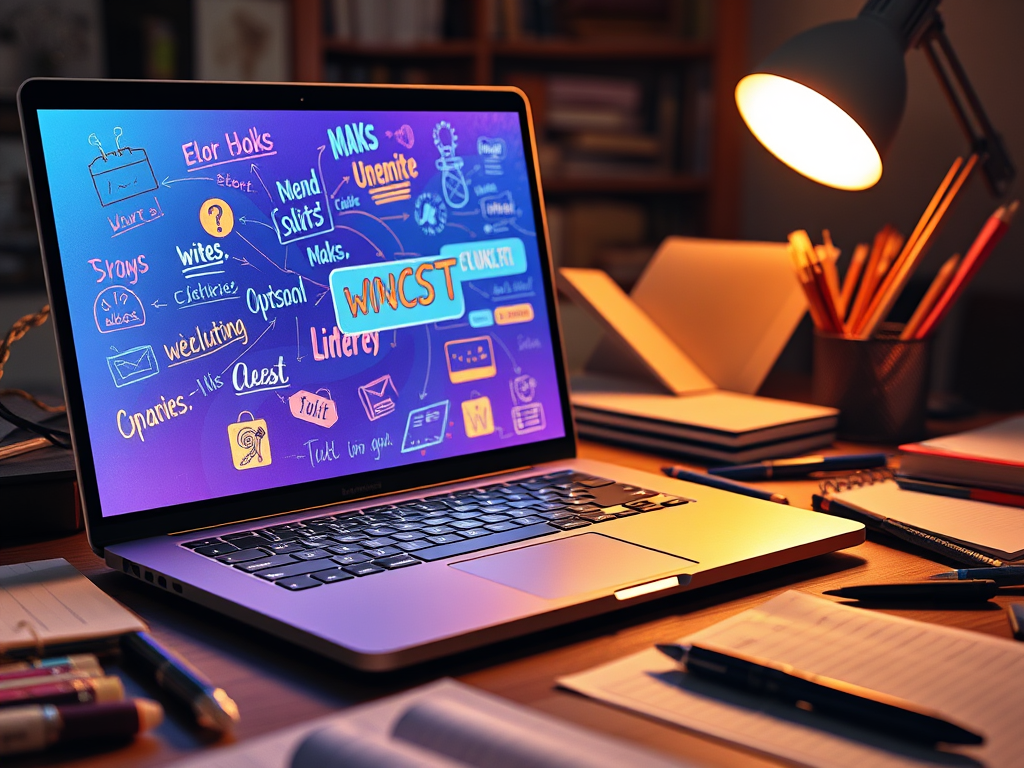
So, let’s talk about how assistive writing tech is quietly flipping the script on creative expression. Gone are the days of staring at a blank page, full of ideas but unable to get them out. With the rise of digital writing assistants and creative tools, writers now have a whole arsenal of support at their fingertips. Whether you’re a seasoned pro or just beginning, these innovations can help you turn your scribbles into sentences and keep your spark alive.
From Scribbles to Sentences: Why Assistive Writing Matters
Assistive writing technology is like a kind co-pilot—present to smooth the ride but never take the wheel from you. These tools don’t just fix typos or suggest synonyms; they help shape your ideas, refine your voice, and keep you moving forward. Think of it as brainstorming with a buddy who doesn’t judge and nudges you gently when you get stuck.
At Dreamspace, we’ve explored this balance in posts like Finding Your Authentic Voice with AI. Tech works best when it lifts up your own voice, not when it drowns it out.
The Evolution of Creative Writing Tools
We’ve come a long way from ink-stained journals and typewriter ribbons. Today’s writing aids can analyze tone, offer style suggestions, or help organize sprawling drafts into neat projects. Some even check emotional resonance, helping you land closer to the feeling you want your reader to carry away.
This shift isn’t about abandoning the magic of writing. It’s about removing friction so your energy goes into what matters: telling your story.
Benefits for Authors: More Flow, Less Friction
When the fiddly details (grammar rules, formatting, revisions) stop eating up your energy, you can focus on creativity. Digital writing assistants are especially helpful for:
- Staying organized → track multiple projects without drowning in sticky notes.
- Boosting confidence → grammar and clarity checks mean fewer roadblocks.
- Finding your flow → no more stopping mid-draft to look up spelling or synonyms.
We talked about this idea of “letting the tools handle the clutter so you can stay in your lane” in How to Pick the Best Keywords (Even Without Paid Tools). It’s the same mindset—tools help, but you’re still steering.
Unlocking Diverse Voices
One of the quiet superpowers of assistive tech is accessibility. Features like dictation, text-to-speech, or translation mean more people can tell their stories in ways that suit their brains and bodies. For neurodivergent writers especially, these tools can soften the sharp edges of burnout and keep creativity sustainable (see Brain Fog: The 5 Types That Make Writing a Headache).
For further inspiration, the UNESCO Inclusive Policy Lab offers research on how accessibility tools widen participation in cultural and creative life.
The Future of Storytelling
We’re only scratching the surface. Imagine tools that can workshop character arcs with you, suggest branching plotlines, or keep continuity across an entire series. It doesn’t replace the human spark—but it can clear space for it to shine brighter.
And that’s really the heart of it: assistive writing tech doesn’t flatten creativity. It expands it.
Closing Thoughts
Writing will always be human. What assistive writing technology does is widen the doorway. With these tools at our side, more voices can be heard, more ideas can take shape, and more sparks can become constellations.
Don’t wait until you’re stuck to try them—explore what’s out there, and see how your scribbles might turn into sentences faster, softer, and more joyfully than before.
Want more like this?

What Flexibility Really Means When You Need It Most
Neurodivergent burnout and flexibility are deeply connected in ways that…

When a System You Relied On Stops Working
Explores what happens when a productivity system stops working and…

The Many Forms of Resistance: Beyond Marches
Resistance encompasses more than just protests; it includes various forms…


Leave a Reply to Coffee as an Accessibility Tool: Notes from a Neurodivergent Writer – Dreamspace StudioCancel reply