

Somewhere along the way, “content strategy” turned into a game of trapping people in funnels. You know the type:
- Five pop-ups before you finish a paragraph
- “Wait! Don’t go!” exit screens
- Fake countdown timers
- Ten-step email sequences trying to wear you down into buying something you don’t want
For many of us — especially neurodivergent, creative, and chronically exhausted individuals — this kind of experience feels less clever and more off-putting.
But here’s the reality: you do need a way for people to explore your world. You want your work to be discovered, shared, and paid for. You need some form of structure.
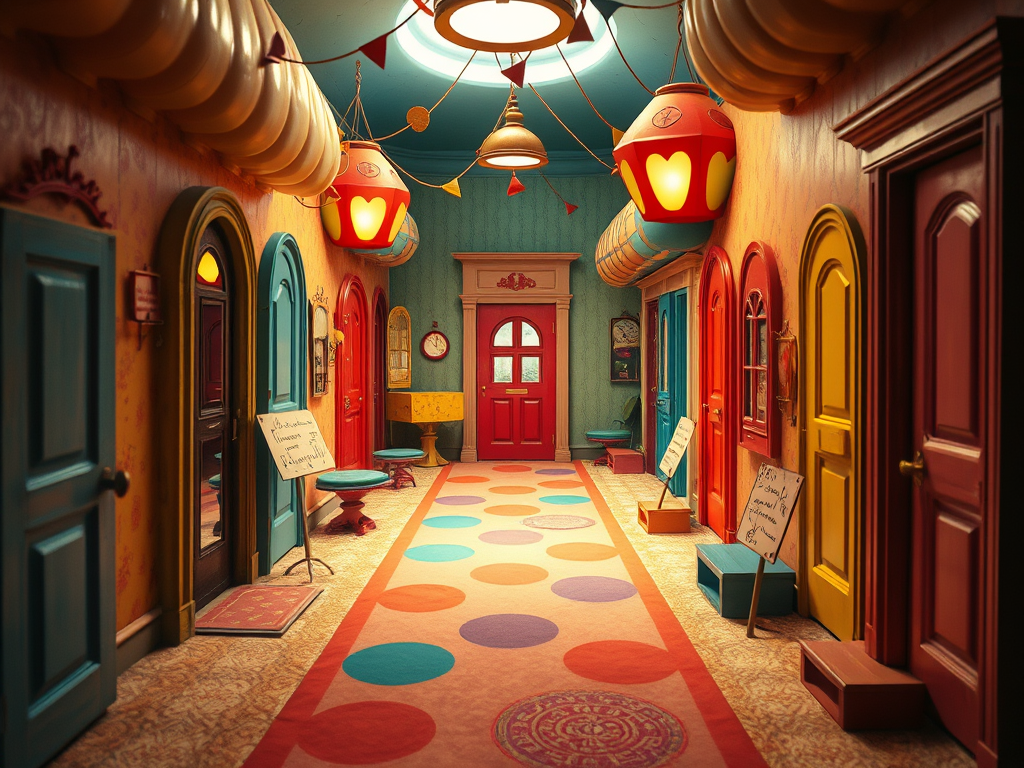
You just don’t have to build a funnel. You can create a funhouse instead.
Why Traditional Funnels Feel So Bad (And Why Your Audience Bails)
Funnels focus on one idea: pushing as many people as possible toward a single outcome as quickly as possible. This mindset leads to:
- Content written for algorithms instead of humans
- Pages that are technically “optimized” but feel lifeless
- Manipulative patterns that make people feel cornered instead of welcomed
If you’ve ever landed on a site and immediately clicked away because it felt like a trap, you know exactly what I mean.
Most “best practice” funnel advice treats visitors as numbers, not as humans with sensory needs, trauma histories, limited energy, and finely tuned bullshit detectors.
So, what happens? They bounce — not because they don’t care, but because the experience is exhausting.
The Funhouse Model: Same Structure, Completely Different Energy
A funhouse has structure. There are doors, pathways, mirrors, and rooms. There are signs. There is intention. But the goal isn’t to rush people toward the gift shop. It’s to let them explore, play, and linger.
In a funhouse-style content system:
- People enter wherever it feels natural (a blog post, a podcast episode, a shared link)
- They discover something genuinely useful or comforting
- They notice other doors — related posts, helpful guides, and invitations to explore further
- They can move at their own pace
Eventually, they might think, “Oh. I really like it here.” The outcome is the same: people get to know you, trust you, and some will eventually buy from you or become supporters. The process, however, is entirely different — there’s no pressure, no tricks, and no “gotchas.”
Load-Bearing Posts: The Beams Holding Up Your Funhouse
If your site is a funhouse, your load-bearing posts are the beams that keep it standing. These are not random, rushed listicles. They are the pieces that:
- Answer questions that your ideal audience actually has
- Reflect the way you genuinely communicate and think
- Share your lived experiences or expertise
- Gently point toward related topics, offers, or deeper resources
- Are good enough that someone might bookmark or share them
Examples of load-bearing posts might include:
- “How to Use SEO Without Losing Your Soul (or Your Voice)”
- “A Gentle Guide to ROI for Neurodivergent Creatives”
- “What to Fix First When Your Blog Feels Like a Mess”
- “How I Structure My Week So My Brain Doesn’t Riot”
These posts do a lot of quiet work:
- They generate search traffic over time
- They give new readers a clear sense of who you are
- They naturally guide people toward your newsletter, shop, or services
- They become “entry rooms” that lead deeper into the funhouse
You don’t need fifty of these in a week; you need a small, steadily growing library of excellent content.
Make the Experience Feel Like a Home, Not a Trap
If you want people to stay, your site should feel like a welcoming place where a person would actually want to linger. A few principles that help include:
- Be Allergic to Harassment-style UX
- If it would annoy you as a user, don’t do it. This means:
- No endless full-screen pop-ups
- No “You didn’t subscribe, so we’ll block the content” gimmicks
- No autoplay videos blaring from the sidebar
- Light, low-pressure sign-up options work just fine:
- A small top bar
- A simple form in the sidebar
- A friendly invite at the end of a post
- You don’t have to shove your newsletter in someone’s face to make it matter.
- Let Curiosity, Not Fear, Lead the Way
- Instead of “Act now before everything disappears forever!!!” try:
- “If this helped, you might like…”
- “Here’s where I dive deeper into this topic.”
- “Want more like this? I send out a monthly letter.”
- You’re not forcing people down a path; you’re leaving doors open and the lights on.
- Design for Tired Brains
- Shorter sections, clear headings, generous spacing, and simple language help more people than you might think. This especially benefits:
- Neurodivergent readers
- Busy parents
- Burnt-out freelancers
- Anyone reading on their phone in a grocery line
- Good readability is not “dumbing down”; it’s a sign of respect.
SEO Without the Sleaze
Yes, SEO still matters. You want people to find your funhouse, after all. But there’s a significant difference between:
- “How do I cram this keyword into every second sentence?” and
- “How do I describe this in the words my audience is already using so they can find the help they need?”
Ethical SEO should foster a cozy, community-driven site.


Leave a Reply